Physicians at Mayo Rochester have reported on a small series of 8 patients with refractory headache after epidural blood patch. They were then treated with a combination of blood and fibrin glue for epidural patching. Four of eight patients had improved pain scores at...

Updates from the Spinal CSF Leak Foundation
Atypical and serious cases of intracranial hypotension
This recent paper highlights that the clinical presentation of spontaneous intracranial hypotension secondary to spinal cerebrospinal fluid leak may include serious patterns considered atypical. The authors compared the clinical and imaging findings of 8 atypical...
Digital Subtraction Myelography
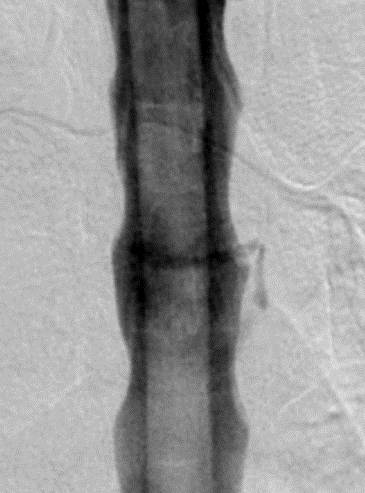
A variety of spinal imaging techniques are currently employed in patients with spontaneous intracranial hypotension to localize spinal CSF leaks. Digital subtraction myelography (DSM) is being used increasingly, most often to visualize the origin of rapid leaks. A...
New Online Support Community with Inspire
We are launching Spinal CSF Leak Foundation Support Community in partnership with Inspire. Inspire is a trusted company that builds and manages many online support communities. Our new support community will be a great way for us to offer informational and social...
Spontaneous Spinal CSF Leak – Lori’s Story
After Lori first sought help from a neurologist for her headaches, it took five years before she finally received a proper diagnosis. Lori’s story has features in common with many who suffer with spontaneous spinal cerebrospinal fluid (CSF) leaks. She endured years of...
Spinal CSF Leak – Audrey’s Story
Audrey shares the story of her spinal CSF leak from a labor epidural gone wrong. Can you imagine coming home to your husband and five-year-old son with your newborn son AND a severe headache when upright? Imagine trying to take care of your family when being upright...
Brain descent in intracranial hypotension can mimic Chiari
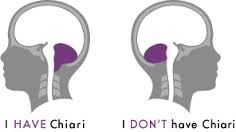
This is Chiari Awareness Month. What is Chiari malformation? In Chiari malformation, the cerebellar tonsils (part of brain) are displaced downwards below the opening at the base of the skull. Up to 3 mm of descent is considered within normal limits; 3-6 mm of descent...
Epidural Steroid Injections: Risk vs Benefit
Serious risks associated with epidural steroid injections, even when rare, must be weighed against the limited potential for benefit.
Positional headache not always a spinal CSF leak
What is a positional headache? The headache associated with intracranial hypotension (low fluid pressure inside the head) secondary to a spinal cerebrospinal fluid (CSF) leak is usually positional—that is, it is head pain that is worse when upright but improved when...
Imaging findings in spinal CSF leaks can be misleading
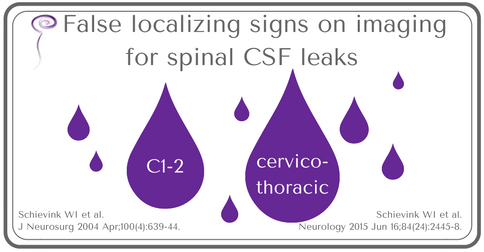
The initial treatment of spontaneous spinal cerebrospinal fluid (CSF) leaks does not require localization of the CSF leak with spinal imaging, since one or more non-directed epidural blood patches are often effective. In those situations where conservative measures or...
Investigating Brain Fog in Spontaneous Intracranial Hypotension
Numerous authors have reported on impaired cognition in patients with spontaneous intracranial hypotension secondary to spinal CSF leaks. The effects on cognition can range from subtle to severe. There are reported cases of severe impairment mimicking dementia. These...
New Case Report: SMAD3-related Aneurysms-Osteoarthritis syndrome
A new case report describes the case of a 55 year old man who presented to the emergency room with a positional headache. He was diagnosed with Spontaneous Intracranial Hypotension (SIH) with bilateral subdural fluid collections. Spinal imaging failed to reveal the...