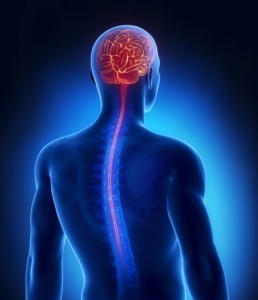
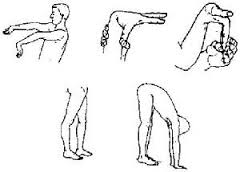
In cases of spontaneous spinal cerebrospinal (CSF) leaks, an underlying weakness of the dura is usually suspected. Heritable disorders of connective tissue (HDCT) cause generalized weakness of connective tissues, including but not limited to the spinal dura. Thinner,...
Updates from the Spinal CSF Leak Foundation
Day 7 of Brain Awareness Week
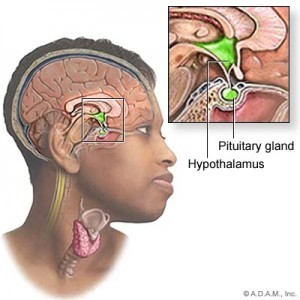
NEUROENDOCRINE COMPLICATIONS from low cerebrospinal fluid (CSF) volume and pressure (intracranial hypotension) from spinal CSF leaks have been seen but have not been well studied to date. The brain (hypothalamus and pituitary) is where most hormone function is...
Day 6 of Brain Awareness Week
CENTRAL NERVOUS SYSTEM effects from low CSF volume and pressure secondary to spinal CSF leaks are seen. Some symptoms may or may not be directly related to the low CSF volume and pressure but are very frequently reported: - cognitive dysfunction (concentration,...
Day 5 of Brain Awareness Week
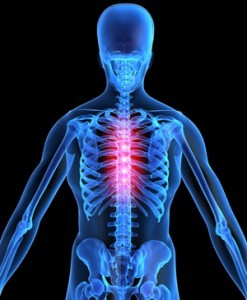
SPINAL MANIFESTATIONS of spinal CSF (cerebrospinal) leaks occur with variable frequency. Common: - pain or tightness between shoulder blades - arm pain or numbness (from traction on cervical nerve roots) Less common: - local back pain at level of CSF leak - pain,...
Day 4 of Brain Awareness Week
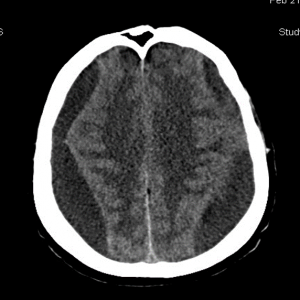
Intracranial hypotension (low cerebrospinal fluid volume and pressure) from a spinal CSF leak is increasingly recognized as a cause of SUBDURAL FLUID OR BLOOD COLLECTIONS. The subdural space is just under the dural layer of the meninges, the connective tissue that...
Day 3 of Brain Awareness Week
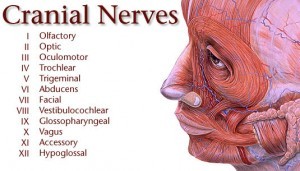
Symptoms related to CRANIAL NERVE DYSFUNCTION occur. There are 12 pairs of cranial nerves that can be affected by the descent of the brain caused by spinal cerebrospinal fluid (CSF) leaks. Some cranial nerves are affected more commonly than others. Here we list some...
Day 2 of Brain Awareness Week
Beyond the headache that we discussed yesterday, additional symptoms occur very frequently in patients with spinal CSF (cerebrospinal fluid) leaking that are associated with IRRITATION OF THE MENINGES (connective tissue layers that hold CSF around the brain and spinal...
Day 1 of Brain Awareness Week
Each day this week, we’ll discuss some of the neurological symptoms and complications related to spinal CSF (cerebrospinal fluid) leaking. Be sure to check back with us every day. Today we discuss the most common symptom: HEADACHE. The loss of CSF volume results in a...
Changing the Needle for Lumbar Punctures
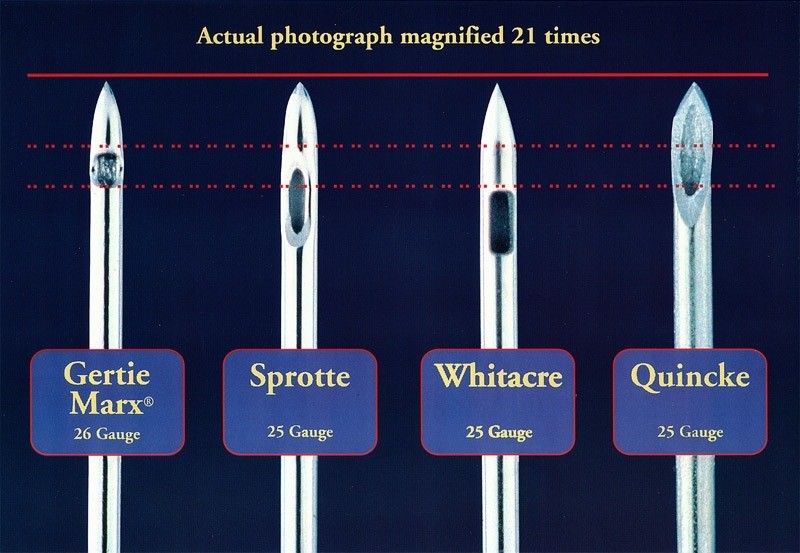
by Connie Deline, MD This new prospective study deserves a spotlight here. Lumbar puncture is the most common cause of a spinal CSF leak and is known as a post-dural puncture headache (PDPH). Because smaller needles and non-cutting needles have been shown repeatedly...
Rare Disease Day is Feb 28
Remember to let the world know on February 28th that spontaneous Spinal CSF Leaking is a rare disease and those who are impacted desperately need: • Increased funding for research • More timely and accurate diagnosis • Improved quality of patient care • Better...
Iatrogenic CSF Leaks from Lumbar Punctures – a commentary
Lumbar punctures play an important role in diagnostics and treatments in medicine but can result in a persistent spinal CSF leak after the procedure, often termed a post-dural puncture headache (PDPH). This is the most common iatrogenic cause of spinal CSF leaking....
Rare Disease Day
February 28 is Rare Disease Day. A disease or disorder is defined as rare in the US when it affects fewer than 200,000 Americans at any given time. Spontaneous spinal CSF leaks are considered rare in the USA with an estimated incidence of 1 in 20,000 per year....